Stretch ceilings are rapidly becoming a go-to solution for both residential and commercial spaces, moving beyond a niche product to a mainstream choice. While the basic concept—a membrane stretched across a perimeter track—is simple, the underlying technology, benefits, and applications are far more sophisticated than many realize. This article delves into the why behind stretch ceilings, providing a comprehensive understanding of their purpose, advantages, and diverse uses.
Stretch Ceilings vs. The Alternatives: A Detailed Comparison
Before diving into the specifics of stretch ceilings, it's crucial to understand how they stack up against traditional ceiling options:
-
Drywall: The standard for decades, drywall has significant drawbacks. Installation is labor-intensive, dusty, and messy. Achieving a perfectly smooth finish requires skilled craftsmanship, and even then, cracks can develop over time. Complex shapes and curves are difficult and expensive to achieve.
-
Drop Ceilings (Suspended Ceilings): While offering easy access to utilities, drop ceilings are often considered aesthetically unappealing due to the visible grid system. Design options are limited, and the tiles can reflect sound, creating echo and noise problems. While access is easy, this can also be a security concern in some environments.
-
Popcorn Ceilings: Once popular for their acoustic properties, popcorn ceilings are now widely considered outdated and difficult to clean. Many older popcorn ceilings contain asbestos, posing a serious health hazard during removal.
Stretch ceilings offer a compelling alternative to all three. They are faster to install than drywall, offer a more seamless and modern aesthetic than drop ceilings, and are far easier to maintain (and safer to remove) than popcorn ceilings.
The Technical Anatomy of a Stretch Ceiling System
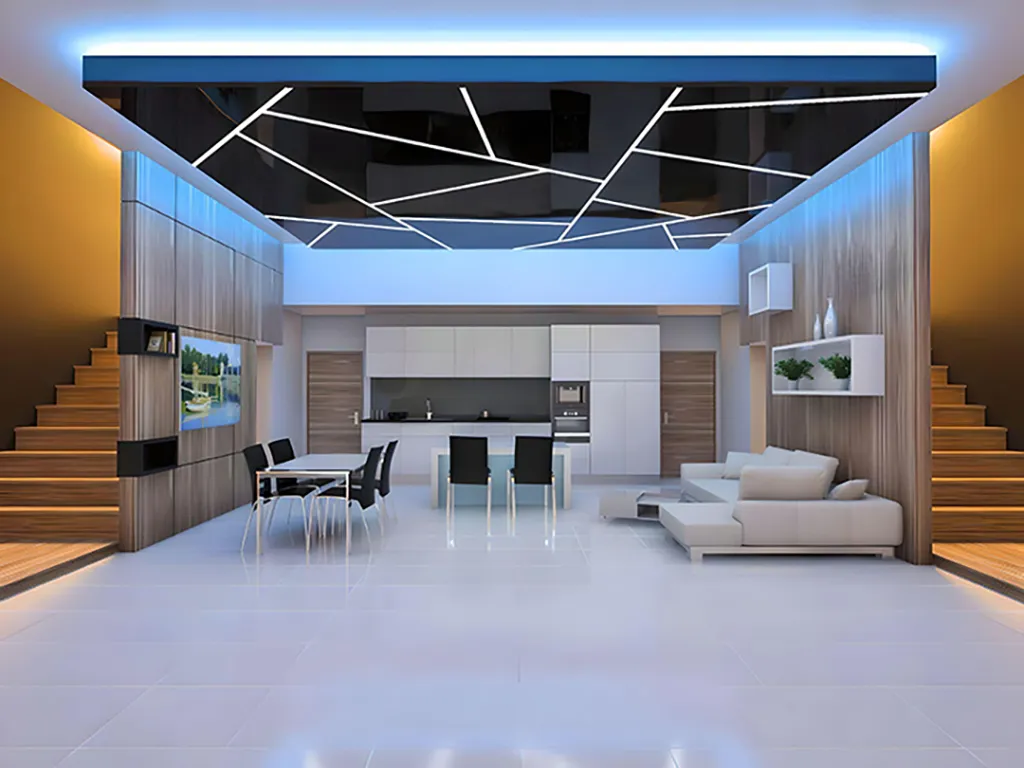
The performance and versatility of a stretch ceiling system stem from its technical components:
-
Membrane Materials:
-
PVC (Polyvinyl Chloride): The most common material, PVC offers excellent durability, moisture resistance, and a wide range of colors and finishes. However, some PVC membranes may contain plasticizers that can raise environmental concerns. Look for low-VOC options. Fire ratings typically include ASTM E84 (US) and EN 13501-1 (Europe).
-
Polyester: Often used for larger spans and high-end applications, polyester offers greater tensile strength and dimensional stability. It's also considered more environmentally friendly than PVC.
-
PU (Polyurethane): A newer option, PU membranes offer excellent elasticity, durability, and resistance to chemicals and UV radiation.
-
Acoustic Performance: Measured by Noise Reduction Coefficient (NRC) and Sound Absorption Average (αw). Micro-perforated membranes can achieve high NRC values, significantly reducing echo and reverberation.
-
Light Transmission: Translucent membranes allow for backlighting, creating diffused lighting effects. The light transmission value indicates the percentage of light that passes through the membrane.
-
Track Systems:
-
Aluminum: Offers superior strength and durability, ideal for large spans and commercial applications.
-
PVC: A more cost-effective option, suitable for residential and smaller installations.
-
Different track profiles are available for various mounting options (wall-mounted, ceiling-mounted, hidden).
-
Installation Process: Requires specialized tools and trained installers. The track is precisely installed around the perimeter of the room. The membrane is then heated and stretched, clipping into the track to create a perfectly taut surface.
Environmental Considerations and Sustainability
The environmental impact of building materials is increasingly important. Stretch ceilings offer several advantages in this area:
-
Recyclability: Many PVC and polyester membranes are recyclable, reducing landfill waste. Look for manufacturers with recycling programs.
-
VOC Emissions: Volatile Organic Compounds (VOCs) can negatively impact indoor air quality. Choose low-VOC membranes and look for certifications like Greenguard.
-
Energy Efficiency: Stretch ceilings can contribute to thermal insulation, reducing heating and cooling costs. Backlit stretch ceilings can also reduce the need for artificial lighting, further lowering energy consumption.
Beyond Aesthetics: Specialized Applications
While the aesthetic benefits are clear, stretch ceilings offer unique advantages in specialized environments:
-
Healthcare: Antimicrobial and antibacterial membranes help maintain hygiene standards in hospitals and clinics. They are easy to clean and disinfect, reducing the risk of infection.
-
Clean Rooms: Anti-static membranes prevent the buildup of dust and particles, crucial for maintaining ISO classifications in clean rooms.
-
Swimming Pools: Moisture and chlorine resistance are essential in pool environments. Stretch ceilings prevent condensation and corrosion, protecting the building structure.
-
High-End Acoustic Environments: Custom acoustic solutions, including micro-perforated membranes and specialized backing materials, can create optimal sound conditions in concert halls, recording studios, and home theaters.
Long-Term Cost Analysis: A Smart Investment?
The initial cost of a stretch ceiling may be higher than some alternatives, but a long-term cost analysis reveals its true value:
-
Initial Cost: Generally more expensive than basic drywall, but comparable to high-quality drywall finishes and often less expensive than complex drop ceiling systems.
-
Maintenance Costs: Minimal. Cleaning is easy, and repairs are rare.
-
Replacement Costs: Stretch ceilings have a long lifespan (often 20+ years with proper care). Factors affecting lifespan include membrane material, UV exposure, and environmental conditions.
-
Overall Value: Considering the longevity, reduced renovation needs, potential energy savings, and enhanced aesthetics, stretch ceilings often represent a significant long-term value.
Case Studies: Real-World Examples
-
Residential: A homeowner with a cracked and stained popcorn ceiling chooses a stretch ceiling for a quick and clean renovation. The new ceiling modernizes the living room and significantly improves the acoustics.
-
Commercial: A restaurant installs a backlit stretch ceiling with a custom-printed design, creating a unique and memorable dining experience. The ceiling also helps to control noise levels, improving the overall ambiance.
-
Specialized: A hospital installs stretch ceilings in its operating rooms, choosing antimicrobial membranes to meet stringent hygiene requirements. The easy-to-clean surfaces help to minimize the risk of infection.
Conclusion: A Versatile and Future-Proof Ceiling Solution
Stretch ceilings are more than just a cosmetic upgrade. They are a technically advanced and versatile ceiling solution offering a wide range of benefits, from aesthetics and acoustics to hygiene and sustainability. By understanding the technical specifications, comparing them to alternatives, and considering the long-term cost analysis, it's clear that stretch ceilings represent a smart and future-proof investment for a variety of applications. They offer a blend of functionality, design flexibility, and long-term value that few other ceiling options can match.


